Reviving Rural Churches, Rooted in Community
Heartland Christian Center (HCC) in Valparaiso, Indiana, has been finding ways to help meet those challenges as they plant churches, addressing some of the main impediments to their success.
Phil and Rhonda Willingham have served as pastors at HCC since 2000. The community of approximately 50,000 residents is a bedroom community for the Chicago and South Bend metro areas. But when the Willinghams began ministry there, the church’s recent move to a location a few miles out of town had encouraged people from surrounding small farming communities to drive in for services. However, Willingham, who grew up as a pastor’s kid in small churches in Alabama and later ministered in rural Kentucky, knew that people who drive farther tend to be less involved.
“People drive to larger communities to work and shop, but on worship days, many want to be able to relax,” says Willingham.
Older, more traditional churches in some surrounding communities had begun closing their doors, as a disconnect had developed from the younger generation. With the goal of making worship more accessible and building better relationships in those towns, HCC opened the North Judson campus in 2013 in an American Legion building, with just one person from the community coming to the first service. The congregation has now grown to over 170 regular attendees in the community of 1,700, and is in their third building location, a former building supply warehouse purchased in 2016.
In the community of Wanatha, the HCC campus took the opportunity to revive a church with over 100 years of rich history.
“Something truly special began to happen,” says Willingham. “The once-quiet building is coming back to life—long-time community members, former Vacation Bible School kids, some who were baptized within those walls, have shared their joy and excitement at seeing the property beautifully restored and weekend services brought back. It’s more than a renovation—it’s a return to purpose, connection, and faith.”
A similar experience happened as HCC stepped into the more than 50 years of legacy of a former congregation in Hebron, where the heart of the church lived on in spite of the doors closing.
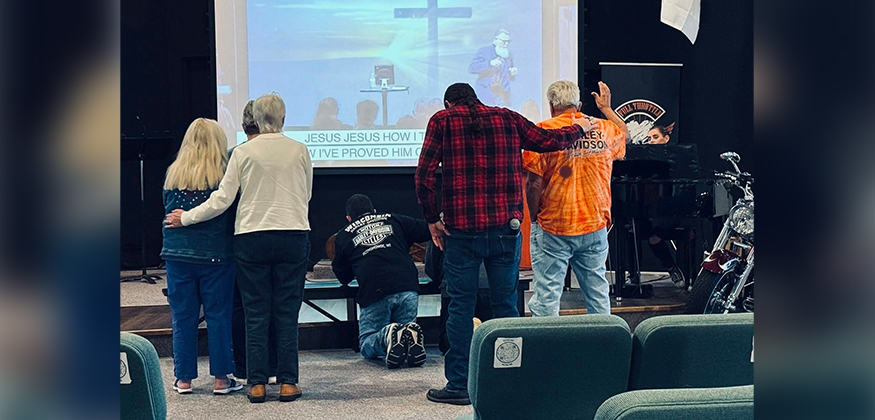
“Former members, neighbors, those with deep roots in the church have expressed how thrilled they are to see the building again filled with purpose, praise, and people—even if it’s a biker church!” says Willingham. “We’re honored to carry the torch forward.”
Willingham has been involved with Honor Bound Motorcycle Ministry of the Assemblies of God for 15 years and preaches at the Hebron campus on Thursday evenings in addition to the Sunday livestreams. This enables the church to reach bikers without traditional church background, since the nature of enjoying motorcycle riding often ties up weekends.
As the HCC team prayed and prepared to plant campuses, they became aware of two main obstacles to growth in rural churches: lack of finances and high-stress demands on pastors. To combat these obstacles, the HCC congregation uses the Assemblies of God parent-affiliated church model, and also provides financial support for the pastor’s livelihood. This frees the pastor to truly become a shepherd to the community and build relationships.
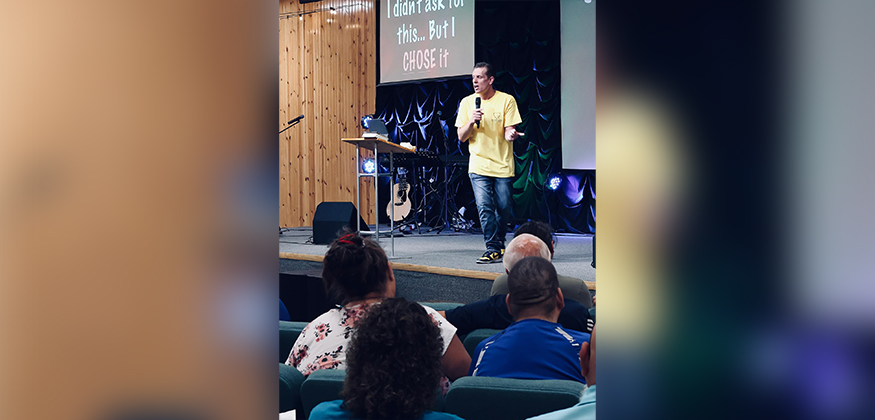
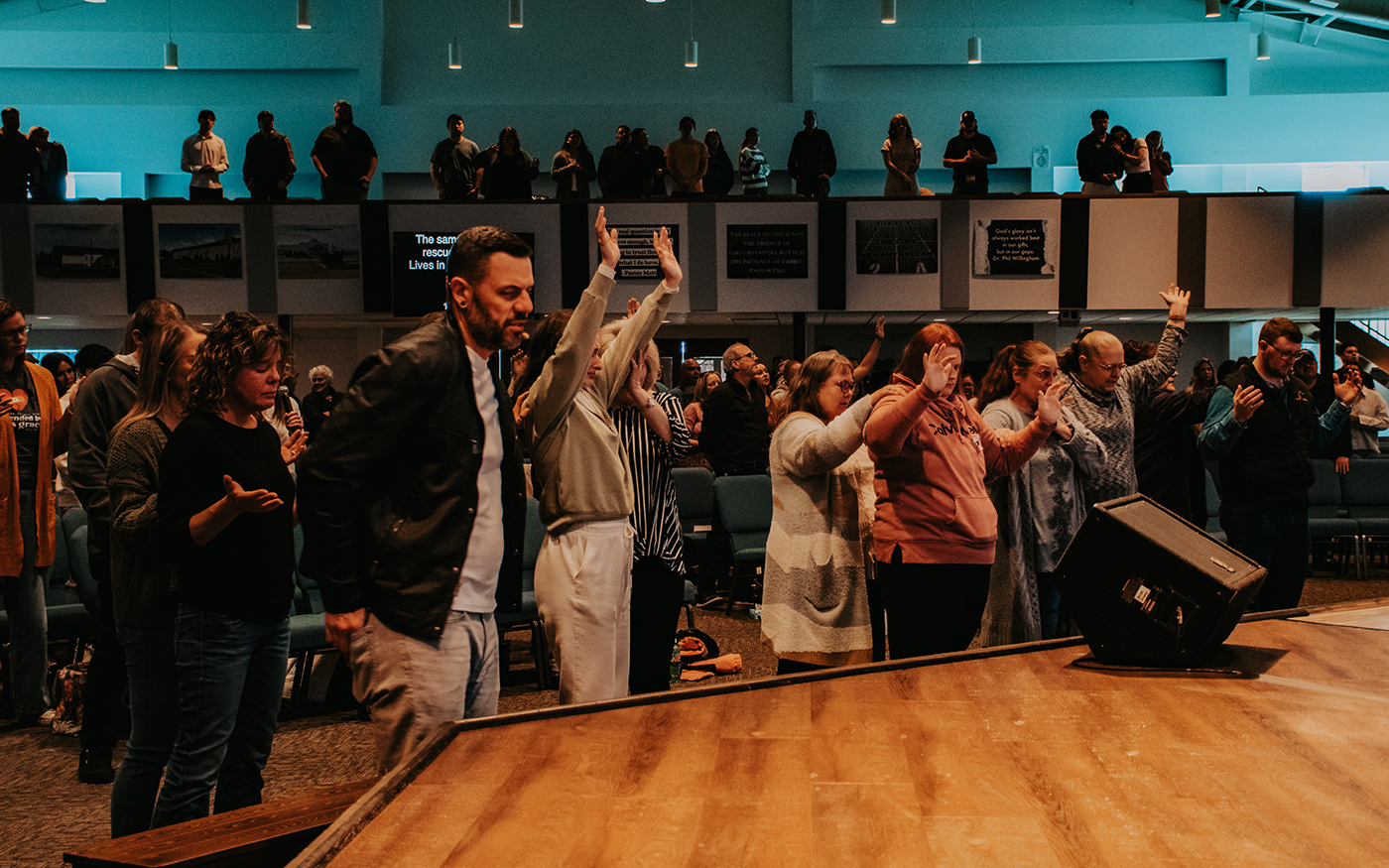
Another frequent stressor is the responsibility of preparing impactful sermons each week. Heartland Christian Center’s campus model includes live worship at each campus, followed by a livestream of the main campus sermon. Volunteers and prayer teams at each location ensure a personal feeling of connection, and each campus pastor has opportunities to speak and teach, as well, but removing the pressure of weekly Sunday morning prep is huge.
“This model empowers local campus pastors to be fully present in their communities, meeting real needs and bringing hope where it’s needed most,” says James Young, who pastors the North Judson campus. “I grew up in a small town where finding a church that was real, relevant, and truly impactful felt impossible. Now, I have the incredible honor of serving at a Heartland campus where lives are being changed and communities transformed every single day. What excites me is Heartland’s bold vision to plant life-giving churches in rural areas, backed by the prayer and financial support of a strong mother campus. It’s not just church—it’s a movement, and I’m humbled to be a part of it.”
Even as they tailor their vision to community needs, however, the campus model allows the congregations to experience the impact of a large church through involvement in missions projects and offerings, as well as occasional special events that bring the entire family of churches together.
One of those events is the annual Night to Shine, a festive prom-style evening for teens and young adults with disabilities. Reaching that population is close to the heart of the Willingham’s, whose adult daughter with disabilities, Sunshine, serves as “Chief Inspiration Officer” for the HCC campuses. Each location has trained “Sunshine Buddies” to help ensure a good experience for families of a child with disabilities.
Chad McAtee, district superintendent for the Indiana Assemblies of God, has seen the impact of HCC in that part of the state. “Phil Willingham has brought so much vision,” he says. “I’m grateful for what he’s doing, as an older pastor with years of experience, recognizing that ways of connection in communities have changed, raising up younger pastors to meet the need, and then equipping them to succeed.”